
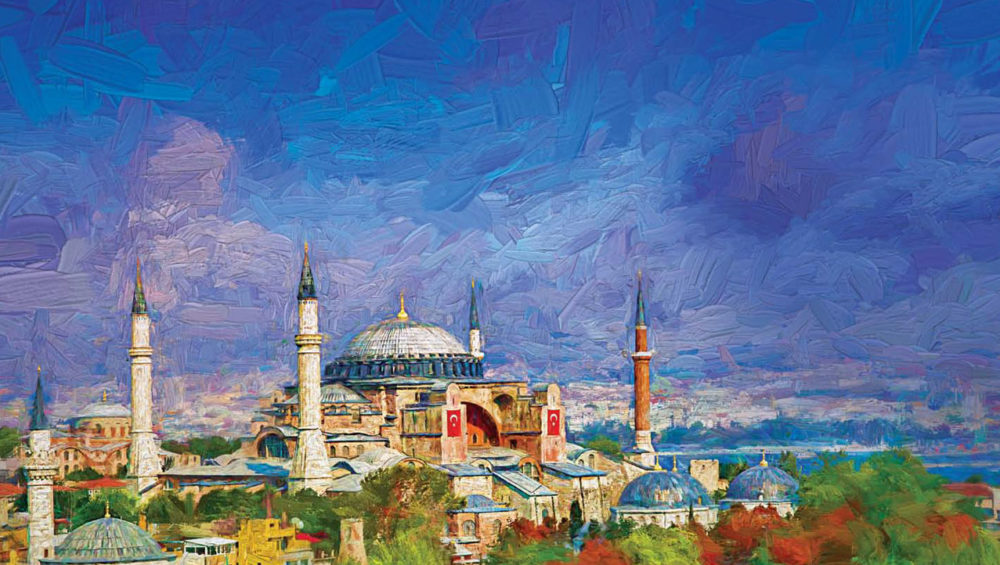
Istanbul has always fascinated the world. First, as the timeless Constantinople and later as Istanbul, the glamorous metropolis with enviable sophistication. A transcontinental metropolis of art, culture, history and heritage, for avid travellers like me, it is a coveted destination.
Straddling two continents, Istanbul’s unique location has attracted both traders and invaders over the centuries, and these visitors have shaped its history, culture and tradition. While most tourists make a beeline for the famed Hagia Sophia mosque, the Blue Mosque, the Topkapi Palace, the Basilica Cistern and the many minarets dotting the city’s skyline, for art heritage buffs, Istanbul is a treasure trove; every bylane a footprint in time!
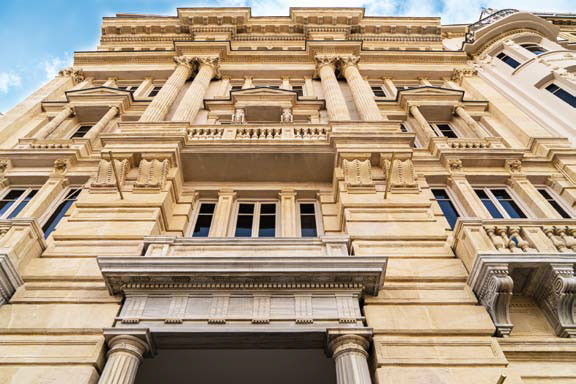
As an ode to its rich art heritage, galleries and museums are spread across the bustling metropolis but one particularly special one is the unique Pera Museum, located in one of the most popular parts of the city, the historic quarter.
Housed in a 19th-century neoclassic building (built in 1893), Pera Museum is known most for its three permanent collections, “Orientalist Paintings”, “Anatolian Weights and Measures”, and “Kütahya Tiles and Ceramics”.
The works of Osman Hamdi Bey, a pioneering Turkish painter, draw the most crowds at the Pera Museum.
Founded by the Suna and İnan Kıraç Foundation, the paintings provide glimpses of the Ottoman world from the 17th to 20th centuries, including the most beloved painting – Osman Hamdi Bey’s The Tortoise Trainer.
The ground floor is home to the popular Pera Café, designed in Art Deco style, to represent the time when the building housed a posh hotel.
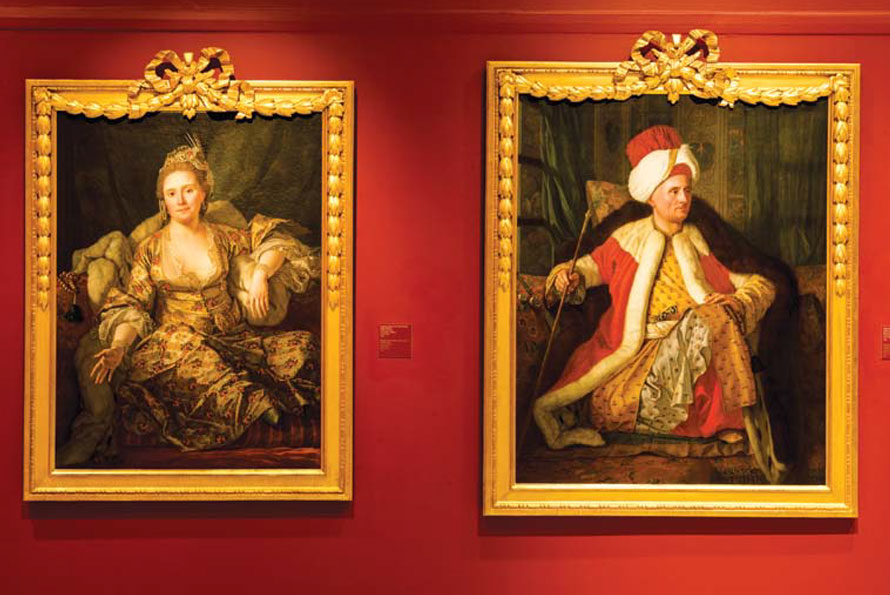
Among the many exhibitions, “Intersecting Worlds – Ambassadors and Painters” is a selection in the Pera Museum that offers a picture of Ottoman diplomatic history. Interestingly, the portraits of French diplomat Charles Gravier, and his wife, in Turkish attire capture the twin soul of Istanbul – the perfect blend of Europe and Asia. A Scene from a Turkish Harem, an attentiongrabbing painting is the depiction of the Ottoman harem. But the works of Osman Hamdi Bey, an Ottoman statesman and a pioneering Turkish painter (1842-1910), draw the most crowds. A special section is dedicated to his works. Trained in Paris, his scenes with figures stand out with their stylistic resemblance to the works of leading Western Orientalist paintings.
Did you know?
The Tortoise Trainer depicts a man in oriental attire, pensively watching tortoises eating leaves on the floor. He holds a ney (flute) in his hand and carries a percussion instrument on his back. Experts says, the figure is modelled after the artist himself, while the musical instruments suggest he is a dervish.
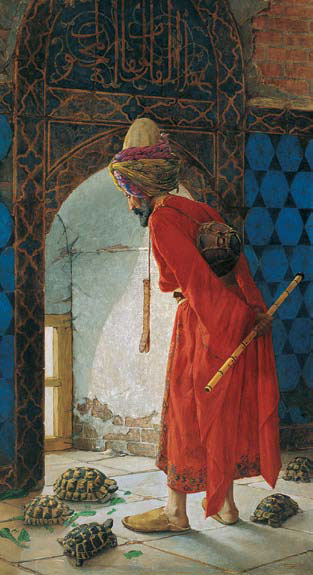
Dressed in Ottoman costumes, his figures are depicted in an oriental setting, surrounded by oriental objects. The male figures in most of his paintings are based on his photographs dressed in various costumes. Among all his works, the The Tortoise Trainer takes a place of pride.
The museum stands on what was once known as the Grand Rue de Pera, now named Istiklal Avenue. A perfect blend of modernity and tradition, the street is filled with contemporary boutiques and cuttingedge cultural centres housed in grand 19th-century buildings. An antique tram runs through it as crowds of pedestrians weave in and out of bustling cafes, bistros and bars.
The recently-concluded ‘Beyoglu and Ankara Culture Route Festival’ held in Istanbul and Ankara showcased arts and culture events ranging from operas, classical music concerts, exhibitions of modern and traditional art, contemporary and abstract art installations etc.
Inside the museum, a calm pervades, while outside, chaos reigns in the bustling street, a glimpse of which is captured in a frame indoors as well. As I enjoy an interesting contemporary collection, my guide observes that today’s Turkish artists are no longer bound in subject or design by their past, and a wide range of techniques and approaches are being experimented with. I can’t agree more and recall Alfred, Lord Tennyson’s classic words: “The old order changeth, yielding place to new…”
Some museums with free admission
- Topkapi Palace Museum Istanbul Archaeology Museums Turkish and Islamic Arts Museum Galata Tower Museum Great Palace Mosaics Museum Rumeli Fortress Museum Hagia Irene Museum Galata Mevlevi House Museum, also known as the Whirling Dervishes hall Fethiye (Pammakaristos) Museum Museum of the History of Science and Technology in Islam Adam Mickiewicz Museum
Source: muze.gen.tr
Vijaya Pratap is a freelance journalist and a documentary filmmaker, based in Hyderabad. She specialises in the study of art, culture and wildlife. Trained in classical dance and music, her major focus is on the performing arts of India.
Meet the author