
When I read that Aveiro was described as the ‘Venice of Portugal’, I imagined romantic evenings by the riverside: illuminated classic edifices mirrored in the water, passionate singing by handsome boatmen, adoring lovers lost on bridges, aroma of food wafting in the air, and all that is sensuous to complete my dream. But it turned out to be quite different from what I had pictured.
A coastal lagoon with an electrifying vibe, this city has VIJAYA PRATAP wrapped around its little finger
Located on the shore of the Atlantic Ocean, Aveiro is an industrial city with an important seaport. The city has always been linked to sea trade, fishing and salt production. Aveiro was the centre of Roman salt exploration in the 10thcentury, invaded and held by the Moors until the 11th century, and later became popular with Portuguese royalty. Today, it is an urban agglomeration with cod fish, salt pans (where they still make salt), unique architecture, traditional tile and ceramic arts, all vying for attention as conventional Moliceiro boats ply on its canals, trying to create a Venice-like setting.
On a golden sunny day, I checked into Hotel Moliceiro, a charming place with elegant décor, and situated right on the main canal. Here’s what I did for the next two days to get a complete experience of Aveiro, an unexplored, lovely city.
Moliceiro boat rides
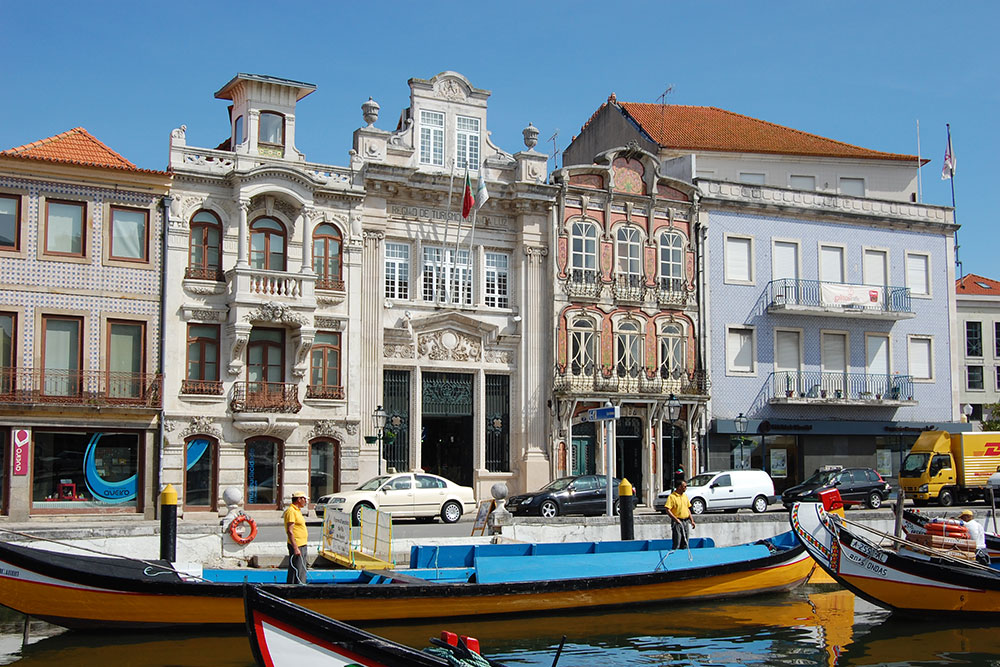
Get into one of the Moliceiro boats for an hour’s ride along the canals of the lagoon, which, just like water roads, lead you through the city. The half moon-shaped graceful Moliceiro looks like a gondola and navigates in shallow waters. Painted with colourful and at times sensual pictures on its bow and stern, Moliceiro is Aveiro’s tourist logo. In olden days, these boats were used to gather moliço, the river’s seaweed and slime, to be used as manure. But when chemical fertilisers took over, they went into disuse, only to resurface later as a tourist attraction.
Old Train Station
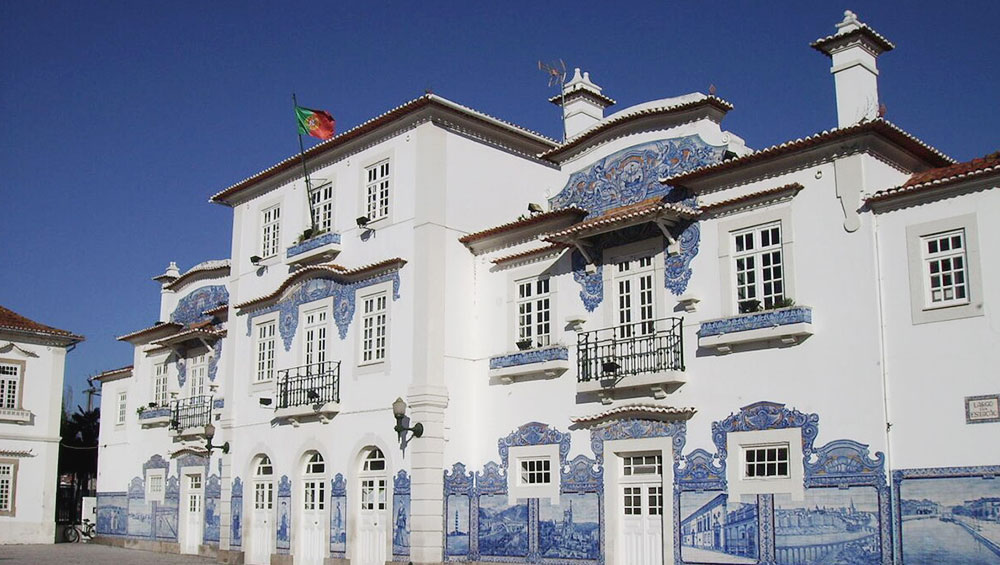
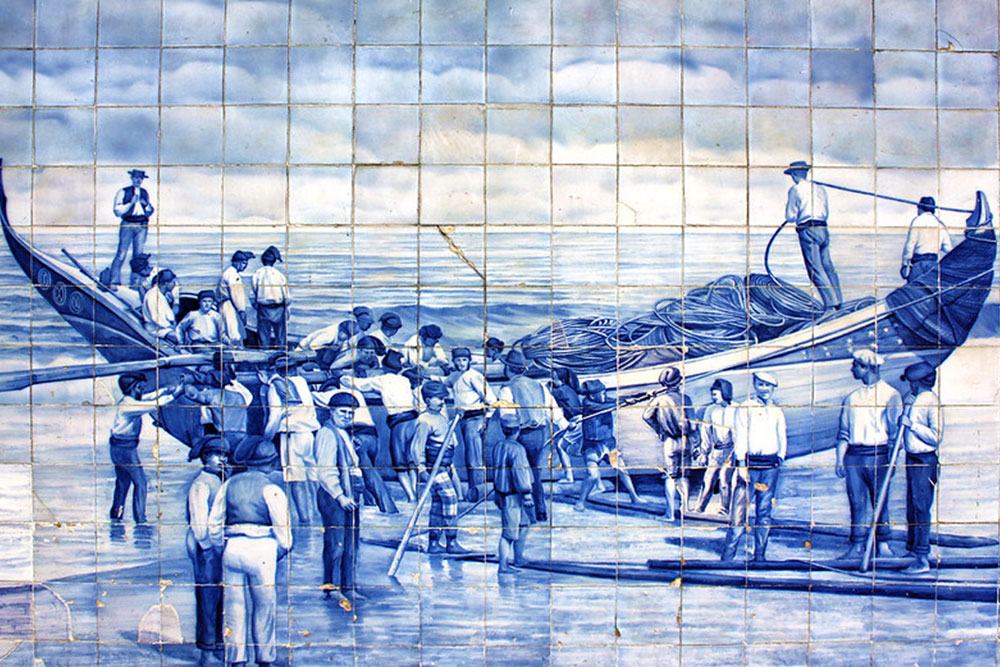
This pretty building, full of natural light, has the most significant collection of outdoor azulejos (Portuguese ceramic tiles) in Aveiro. Each tiled panel reads like a page from the city’s history. The blue azulejos depict typical scenes from this area, a standout against the white walls of the building. It’s an ornamental museum, inviting pedestrians and passengers alike to view the 19th-century chapters of Aveiro’s history book through artwork.
As expected, there is a nautical theme in the azulejos, featuring the sea, canals and waterways that are a major part of the local economy.
Spend some time admiring the art as you travel back in time.
Art Nouveau
Take a leisurely walk to observe an interesting architectural element that dominates Aveiro’s cityscape — the Art Nouveau, which is found mostly around the city centre, Rossio, where a fascinating variety of Art Nouveau buildings abounds. The façades, mostly with wrought iron and hewn stone elements, unfold into arcades and bow-windows. Decorations run through columns, go around windows, doors, frame glasses and tile panels. This European-inspired style, with a mix of traditional Portuguese elements, was adapted by rich emigrants, returning from Brazil at the turn of the 20th Century. For architecture lovers, there are also tours to the Art Nouveau Museum.
Ovos moles and cod fish
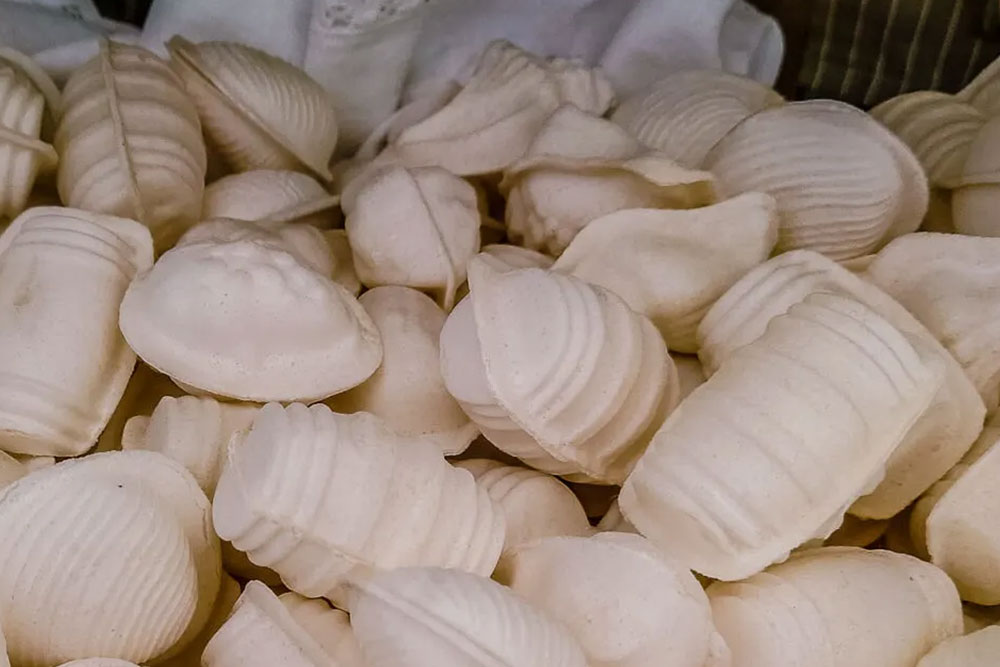
A time-honoured Aveiro dessert pastry, ovos moles are said to have originated from the ancient convents in Aveiro: made of leftover egg yolks after the whites were used by the nuns to starch their habits. They come in all shapes, like little fish, barrels, seashells and other sea elements. Another way of tasting this delicacy is by eating it from small pots made of wood or porcelain, that are decorated with paintings of the lagoon, moliceiros or the light house. Awarded a certificate of Protected Geographical Indication, ovos moles continue to be produced by the same handmade technique that the Dominicans, Franciscans and Carmelites used until the 19th Century. At Oficina do Doce, you can even learn from specialists, how to make this divine-tasting golden dough of sugar and eggs. Wherever you travel in Portugal, cod fish or ‘bacalhau’ is sure to follow you. A highly coveted delicacy of Portuguese cuisine, they claim to have at least one thousand ways of cooking it. The best cod fish can be had at Sal Poente Restaurant located right on the Canal de San Roque. Renovated from two former salt warehouses, with a contemporary ambience, cod is indeed a speciality of this restaurant, featuring heavily on the menu, from soup, starter, main course to dessert.
Costa Nova
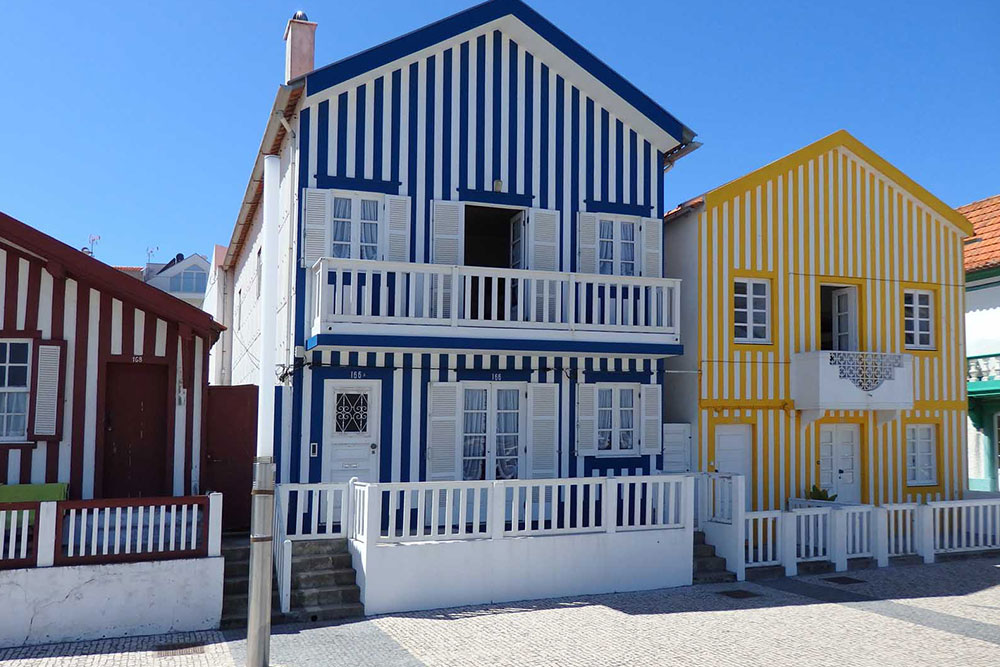
It is worth driving to Costa Nova, a short distance from Aveiro, just to look at the candy striped houses that come in all delightful colours. Walk along the promenade passing these pretty beach houses flanked by palm trees. There are many seafood restaurants, and the beaches are vast and full of surfers and tourists.
Vijaya Pratap is a freelance journalist and a documentary filmmaker, based in Hyderabad. She specialises in the study of art, culture, history and wildlife.
Meet the Author – Vijayapratap